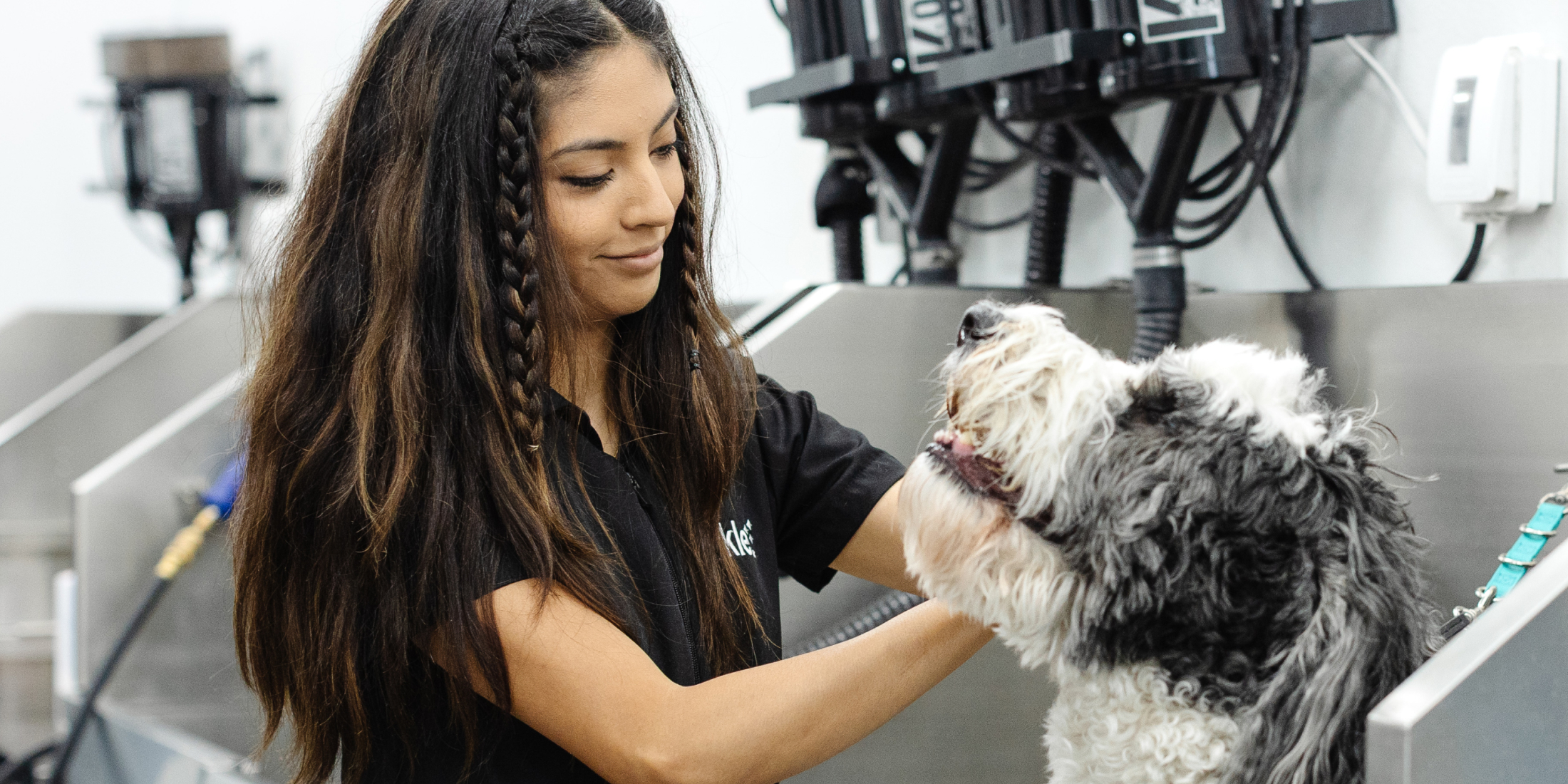
Some categories become interesting because they are new.
Pet care is interesting for almost the opposite reason.
It is familiar. It is emotional. It is recurring. It is local. And despite how much consumers already spend on their pets, parts of the category remain fragmented, inconsistent, and underbuilt from a modern service-platform perspective.
The opportunity in pet care is not that people love their pets. That has always been true. The opportunity is that consumer expectations have outgrown the operating models historically built to serve them.
The numbers are meaningful. U.S. pet industry expenditures reached $158 billion in 2025 and are projected to reach $165 billion in 2026. An estimated 95 million U.S. households own at least one pet.1
But the bigger signal is consumer behavior.
Pet parents do not think about their pets as occasional purchases. They think about them as part of the household. Pew Research Center found that 97% of U.S. pet owners say their pets are part of the family, and about half say their pets are as much a part of the family as a human member.2
That emotional connection changes the standard for service.
When a pet is viewed as family, convenience matters. Cleanliness matters. Safety matters. Trust matters. Consistency matters. A service that may have once been viewed as occasional begins to behave more like a recurring part of household life.
That is why pet care is attracting attention from experienced operators, investors, landlords, lenders, and strategic partners. The category sits at the intersection of four signals that make consumer service platforms worth watching.
First, emotional demand. Pet parents are not simply buying a service. They are trusting someone with a family member.
Second, recurring need. Hygiene, grooming, and routine care are not one-time events. They are part of an ongoing household rhythm.
Third, fragmented supply. There are many talented independent operators, but the broader grooming category has not always delivered the consistency modern consumers expect from other service industries.
Fourth, underbuilt systems. A large market does not automatically create a scalable opportunity. Scale requires training, standards, technology, field support, and a model that teams and operators can execute consistently.
Morgan Stanley has projected that spending growth in the pet industry could reach 7% annually by 2030, outpacing nearly all retail subsegments.3
That is the kind of market signal institutions pay attention to. But the more important question is what kind of model can actually organize that demand.
We have seen similar patterns in other consumer service categories. Fitness became more systemized. Personal care became more branded. Wellness became more accessible. Food service became faster, more consistent, and more operationally disciplined.
In each case, demand already existed. The opportunity grew when operators found a better way to organize the experience.
Pet care is entering a similar phase.
At Sparkle, we see that opportunity through the lens of routine pet care. We are not looking at grooming as a one-time transaction. We are looking at pet hygiene and grooming as part of an ongoing relationship between pets, pet parents, teams, and local operators.
That is the evolution we call Quick Service Pet Care, or QSPC.
The idea is to make routine care more consistent, more convenient, more trusted, and easier for operators and teams to deliver at scale.
The labor side will also shape the category. The U.S. Bureau of Labor Statistics projects employment for animal care and service workers to grow 11% from 2024 to 2034, much faster than the average for all occupations.4
That growth reinforces an important point: demand only matters if the operating model can support it.
In pet care, workforce development, training, retention, safety, service consistency, and career paths cannot be secondary issues. They are part of what will determine which brands can scale responsibly.
That is where pet care is today.
The demand already exists. The consumer is changing. The category is fragmented. Expectations are rising. And the operating model has not fully caught up yet.
It is not interesting because it is trendy.
It is interesting because it is becoming more important, more routine, and more ready for the kind of structure that can support long-term growth.
About the Author
Ben Crawford is Co-Founder + CEO of Sparkle Grooming Corp., a wellness-focused dog grooming franchise helping define the emerging Quick Service Pet Care category. Ben’s perspective focuses on the market forces shaping pet care, consumer behavior, franchise growth, and scalable service platforms.
Sources
- American Pet Products Association, “U.S. Pet Industry Reaches $158 Billion in 2025, Poised for Continued Growth in 2026,” March 26, 2026. View source
- Anna Brown, “About Half of U.S. Pet Owners Say Their Pets Are as Much a Part of Their Family as a Human Member,” Pew Research Center, July 7, 2023. View source
- Morgan Stanley Research, “Pet Owners Tighten the Leash on Spending,” June 17, 2026. View source
- U.S. Bureau of Labor Statistics, “Animal Care and Service Workers,” Occupational Outlook Handbook, last modified August 28, 2025. View source
Not your average franchise.
Sparkle is where routine pet care meets small-box retail + social service. Our membership-based QSPC is an essential companion for any dog's health + well-being.
Learn More